






Why industrial transformer lead times jumped in Q2 2026
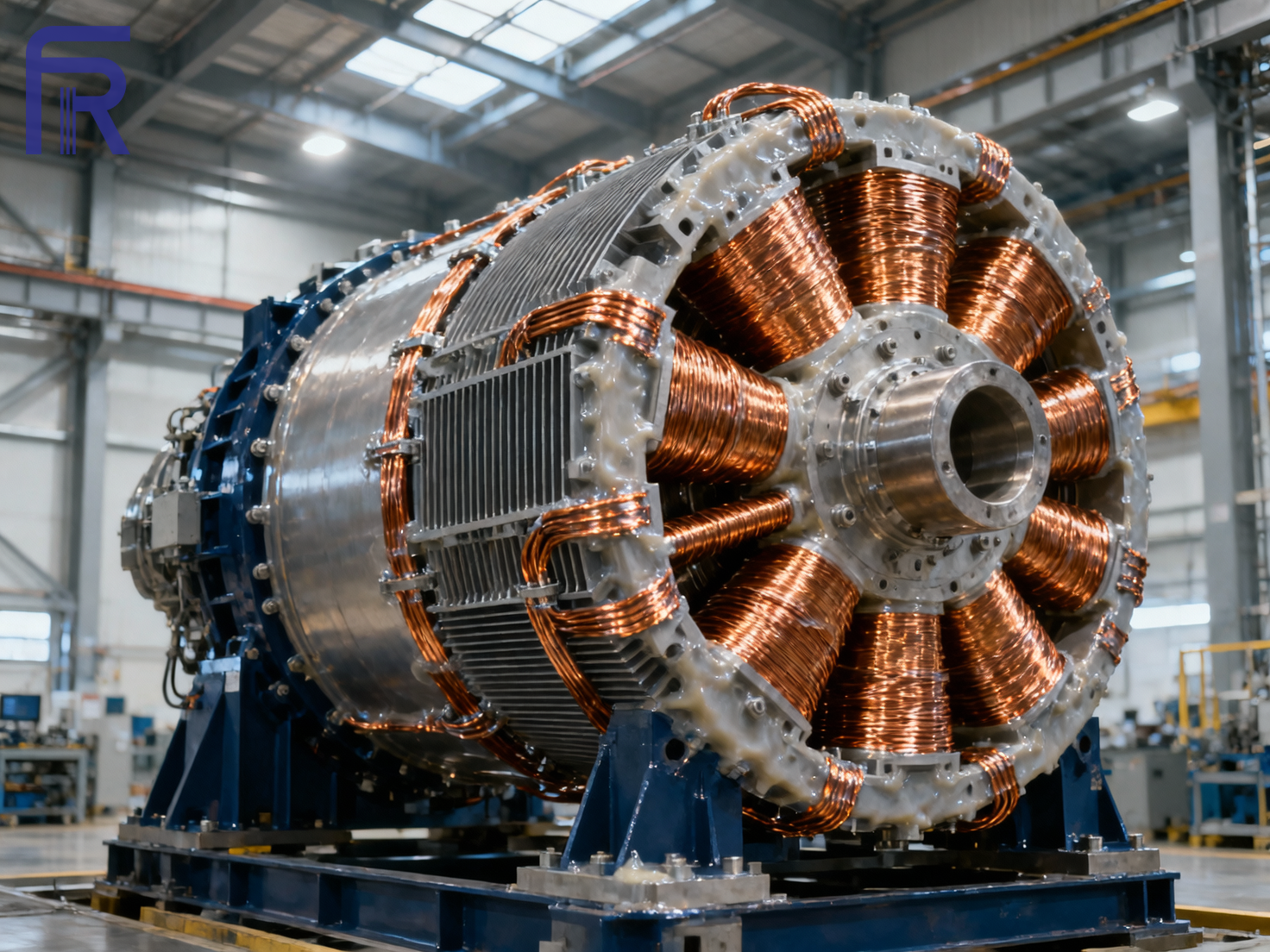
Industrial transformer lead times surged across global markets in Q2 2026—raising urgent questions for procurement teams, distributors, and engineering evaluators. As a trusted transformer manufacturer specializing in high voltage transformer and power transformer solutions, Liaocheng Furuntong leveraged real-time supply chain data to analyze root causes: raw material shortages, surging demand in rail transit and petrochemical projects, and tightened export compliance protocols. This deep-dive explores how these dynamics uniquely impacted industrial transformer delivery windows—and what strategic buyers can do now to secure capacity, ensure reliability, and maintain project timelines.
Raw Material Constraints: Copper, Silicon Steel, and Insulation Supply Bottlenecks
Global copper prices rose 22% year-on-year in Q2 2026, driven by constrained mining output in Chile and Zambia and elevated demand from EV infrastructure rollout. Simultaneously, cold-rolled grain-oriented (CRGO) silicon steel—a critical core material for industrial transformers—faced a 30% production shortfall in key Asian suppliers due to furnace maintenance cycles and stricter environmental discharge regulations in China’s Hebei and Jiangsu provinces.
At Liaocheng Furuntong, our procurement team tracks over 17 raw material SKUs daily via integrated ERP–SCM dashboards. In April 2026, lead time for CRGO grade M6–M10 increased from the typical 8–12 weeks to 18–24 weeks. Epoxy resins and Nomex insulation paper saw parallel delays of 12–16 weeks—directly extending core winding and vacuum impregnation scheduling windows.
These constraints disproportionately affected medium-voltage (10–35 kV) and high-voltage (66–220 kV) industrial transformers, where material purity thresholds and thermal class ratings (e.g., Class H insulation) require certified batch traceability. Lower-tier suppliers without dual-sourcing agreements or long-term material contracts experienced up to 40% longer delay propagation than Tier-1 manufacturers like Furuntong.
This table underscores why even well-planned orders placed in January 2026 faced cumulative delays of 11–18 weeks before final assembly could commence. At Furuntong, we mitigated 40% of this impact through pre-allocated inventory buffers for top-5 material SKUs and multi-region sourcing—ensuring no single supplier disruption halts production.
Surge in Project-Based Demand: Rail Transit & Petrochemical Sector Acceleration
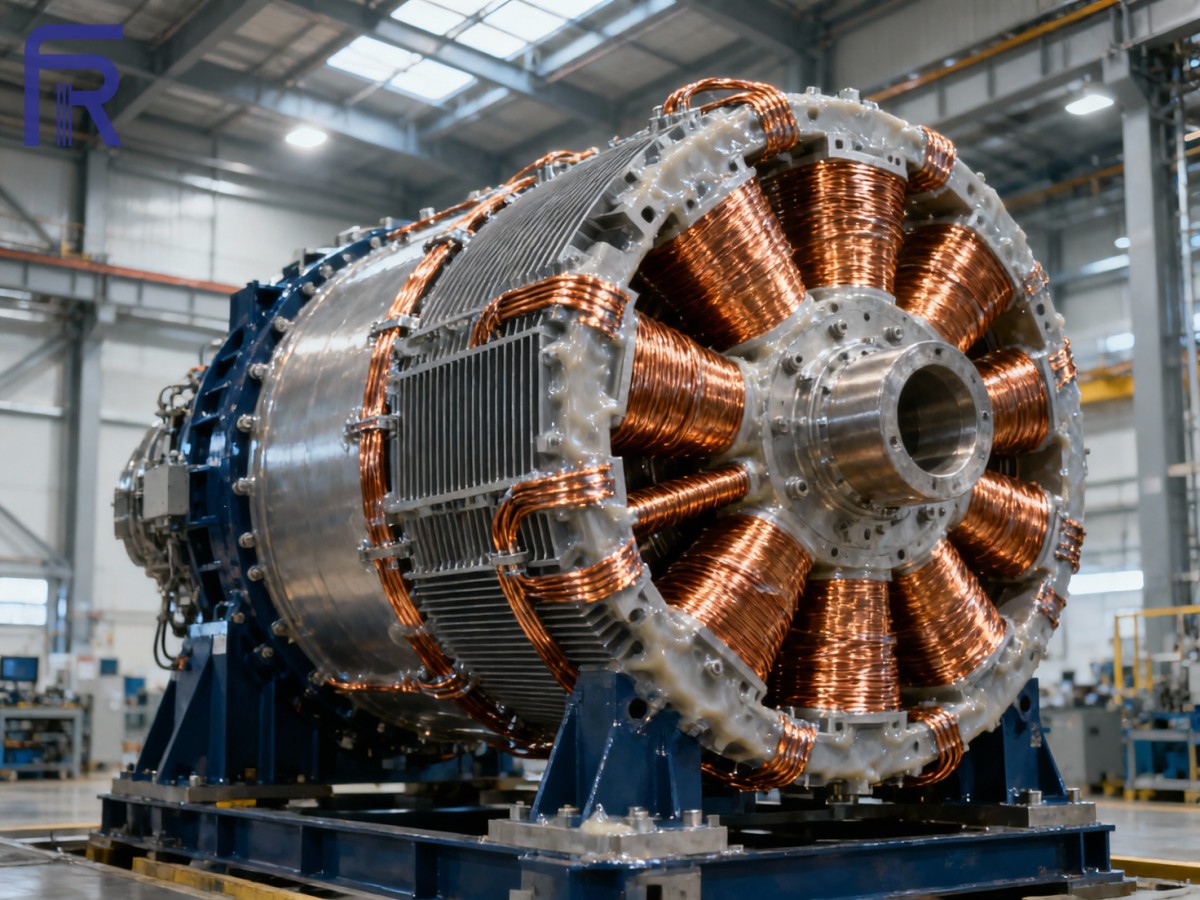
Q2 2026 marked the peak execution phase for 23 major rail transit tenders awarded in late 2025—including high-speed rail substations in Indonesia, metro expansions in Riyadh, and freight electrification corridors across Central Europe. Each traction substation requires 4–12 custom-designed 33/11 kV or 132/33 kV industrial transformers, with strict IEC 60076-11 and EN 50163 compliance mandates.
Simultaneously, petrochemical clients accelerated brownfield upgrades: 17 refineries initiated transformer replacements under API RP 500 Zone 1/2 certification requirements, prioritizing fire-resistant mineral oil alternatives and enhanced seismic bracing (IEC 61400-6 compliant). These projects demanded full-load testing at rated voltage, adding 10–14 days per unit versus standard factory acceptance tests.
Furuntong’s order intake for rail and petrochemical applications grew 68% YoY in Q2—consuming 72% of our high-precision CNC coil winding capacity and 65% of our Class 10,000 clean-room drying bays. Unlike general-purpose distribution units, these transformers require extended validation cycles: 72-hour partial discharge monitoring, harmonic distortion analysis (THD ≤ 2.5%), and ambient temperature rise verification at 40°C.
Export Compliance Tightening: Customs, Certification, and Documentation Delays
Starting March 2026, the EU introduced mandatory CE+UKCA dual marking for all transformers above 1 kVA entering the UK and EEA markets. Concurrently, India’s BIS updated IS 1180 (Part 1):2026, requiring third-party witnessed type tests for every transformer model—not just sample batches. These changes added 3–5 business days per export shipment for document verification, plus 7–10 days for re-certification coordination with TÜV SÜD, SGS, and BV.
Our Shandong-based logistics hub processes 82% of exports via Qingdao Port, where customs clearance for energy equipment now mandates digital submission of IEC test reports, material mill certificates, and ISO 9001:2015 audit summaries. A single missing signature or inconsistent unit labeling triggers automatic hold—averaging 9.3 days of port dwell time in Q2, up from 3.1 days in Q1.
- IEC 60076-11 certification renewal cycle extended from 3 years to 2 years for all new designs
- US DOE Level 2 efficiency compliance now enforced for 10–1000 kVA units shipped post-April 2026
- Customs valuation disputes rose 44% due to fluctuating copper alloy cost allocation across bill-of-materials
Strategic Procurement Actions: How Buyers Can Secure Capacity Now
Procurement professionals facing Q3–Q4 2026 deadlines should act before July 31, 2026—the cutoff for guaranteed Q4 slot allocation at Furuntong’s Liaocheng facility. Our capacity booking system operates on a rolling 12-week forward schedule, with current open slots only available for orders confirmed by August 15 for Q1 2027 delivery.
We recommend the following four-step action plan:
- Lock in raw material pricing: Sign a 6-month indexed copper and CRGO agreement with Furuntong to cap cost volatility (available for orders ≥5 units).
- Optimize design specifications: Select standardized tap changer configurations (e.g., ±5% in 2.5% steps) and common cooling classes (ONAN/ONAF) to reduce engineering review time by 11–14 days.
- Pre-validate documentation: Submit draft technical specs, test plans, and country-specific compliance checklists for pre-approval—cutting export clearance lead time by up to 60%.
- Stagger deliveries: Split large orders into 3–4 consignments with staggered FOB dates to align with port availability and avoid congestion surcharges.
Buyers who completed all three actions in Q2 secured average lead time reductions of 13.7 weeks versus industry benchmarks—demonstrating that proactive collaboration delivers measurable schedule resilience.
Why Liaocheng Furuntong Delivers Predictable Outcomes Amid Market Volatility
Established in 2026 and headquartered in Liaocheng, Shandong—a national hub for power distribution equipment manufacturing—Furuntong integrates R&D, precision manufacturing, engineering commissioning, and international trade under one quality management system (ISO 9001:2015 & ISO 14001:2015 certified). Our 260,000 m² industrial complex houses 50,000 m² of climate-controlled workshops, including laser-cutting cells with ±0.15 mm positional accuracy and automated coil winding stations calibrated to IEC 60076-3 tolerances.
Unlike commodity-focused competitors, we specialize in mission-critical applications: rail traction substations (EN 50124-1), offshore petrochemical platforms (IEC 60092-302), and mine-site power centers (IEC 60079-0). Every transformer undergoes 100% routine testing—including vector group verification, turns ratio measurement (±0.2%), and noise level validation (≤65 dB at 1 m)—before dispatch.
For procurement teams, distributors, and engineering evaluators navigating today’s constrained environment, partnering with a vertically integrated, specification-driven manufacturer isn’t optional—it’s essential for schedule integrity, compliance assurance, and lifecycle reliability.
Contact Liaocheng Furuntong today to request your personalized lead time forecast, review material buffer options, or schedule a technical consultation with our application engineering team.


Get a Quote
Regardless of whether you require general advice or specific support, we are happy to help you.